
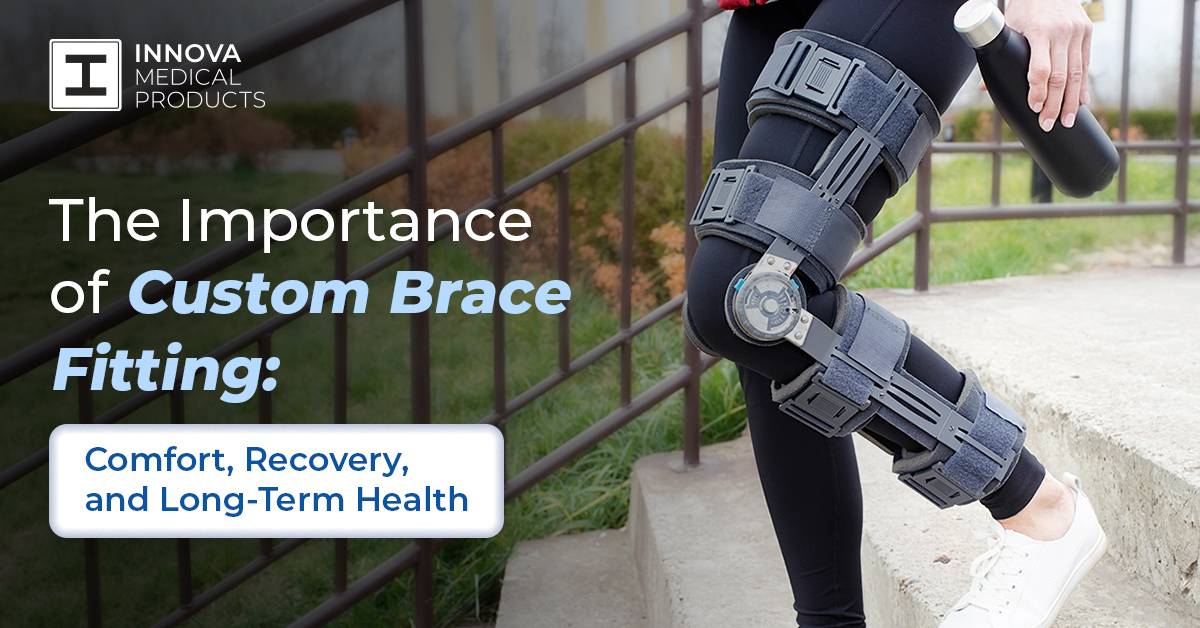
When someone is dealing with joint pain, recovering from surgery, or managing a chronic condition, a brace can make everyday life significantly easier. However, not all braces are created equal. While off-the-shelf options may provide temporary support, custom brace fitting offers a level of comfort, stability, and effectiveness that generic solutions often cannot match.
For patients, caregivers, and healthcare providers alike, understanding the value of properly fitted orthopedic braces is essential. Beyond physical support, a well-fitted brace can improve mobility, reduce pain, and support faster recovery.
In this blog, we’ll explore why custom brace fitting matters, who benefits from it, and how the right fit can dramatically improve outcomes.
Custom brace fitting is a process in which a medical brace is specifically selected, adjusted, or manufactured to match an individual patient’s body, condition, and treatment plan.
Unlike mass-produced braces found in pharmacies or online stores, custom braces are tailored to ensure optimal support and alignment.
Healthcare professionals typically assess:
• The patient’s anatomy
• The injury or medical condition
• Range of motion and mobility limitations
• Pressure points and comfort needs
• Activity level and lifestyle
This evaluation ensures that the brace does more than simply wrap around a joint, it actively assists healing and stability.
One of the most important functions of an orthopedic brace is stabilizing a joint or muscle group. When a brace fits properly, it keeps the affected area aligned and prevents harmful movement.
A poorly fitted brace can:
• Slip during movement
• Apply pressure in the wrong areas
• Fail to support the injured structure
Custom brace fitting ensures that the brace stays in place and delivers the intended therapeutic benefit.
Many patients rely on braces during recovery from:
• Ligament injuries
• Knee or shoulder surgery
• Back injuries
• Sports-related trauma
A customized brace supports healing tissues and reduces strain during daily activity. This protection can help prevent reinjury and allow patients to return to normal activities more confidently.
Healthcare providers often recommend custom orthopedic braces because they help patients follow recovery protocols more effectively.
Comfort is one of the biggest reasons patients abandon braces. If a brace pinches, rubs, or restricts circulation, people are far less likely to wear it consistently.
Custom brace fitting addresses this issue by:
• Adjusting straps and pressure points
• Matching the brace to body shape
• Ensuring breathable materials and proper positioning
When a brace feels natural to wear, patients are far more likely to use it as prescribed.
Ill-fitting braces can cause:
• Skin irritation
• Pressure sores
• Circulation problems
• Numbness or discomfort
A professional fitting helps prevent these complications. Medical providers check for areas where the brace may rub or create excess pressure and adjust it accordingly.
This is especially important for individuals who need long-term brace use.
Custom braces are often used to manage ongoing conditions such as:
• Arthritis
• Joint instability
• Degenerative knee conditions
• Spine disorders
Because these issues require consistent support, the quality of the brace and its fit become extremely important. Custom solutions can relieve pressure on joints, improve posture, and reduce pain during everyday activities.
For many patients, the right brace can significantly improve quality of life.
Understanding what happens during a fitting can help patients feel more confident about the process.
A healthcare professional evaluates the patient’s condition, medical history, and physical needs. Measurements of the affected area are taken to ensure accuracy.
Based on the assessment, the provider chooses the most appropriate brace type.
This may include:
• Knee braces
• Back braces
• Shoulder supports
• Wrist or ankle braces
The brace is selected not only for the injury but also for the patient’s lifestyle and mobility goals.
Straps, hinges, padding, and support components are adjusted to achieve the ideal balance between stability and comfort.
Patients are shown:
• How to properly wear the brace
• How tight it should be
• When to remove it
• How to care for it
This guidance is essential to ensure the brace is used correctly.
While store-bought braces may seem convenient, they often lack the precision needed for medical recovery.
| Feature | Custom Brace | Store-Bought Brace |
|---|---|---|
| Fit | Tailored to the patient | Generic sizing |
| Support | Condition-specific | Basic compression |
| Comfort | Adjusted for long wear | May slip or pinch |
| Effectiveness | Clinically guided | Limited support |
For minor aches, a retail brace may help temporarily. But for injuries, surgery recovery, or chronic conditions, a professionally fitted brace is typically the better option.
Custom orthopedic braces are particularly beneficial for:
After procedures involving joints or ligaments, proper support is critical for healing.
Sports place high stress on joints. A fitted brace can protect vulnerable areas while maintaining mobility.
Age-related joint degeneration can make stability devices essential for safe movement.
Conditions like arthritis often require long-term support that generic braces cannot provide effectively.
Not everyone fits standard sizing. Custom solutions ensure proper alignment and support.
One of the biggest advantages of custom brace fitting is the involvement of trained professionals. Orthopedic specialists, physical therapists, and medical equipment providers work together to ensure the brace supports both treatment and comfort.
They can also make adjustments over time as recovery progresses or needs change.
Without professional guidance, patients risk using braces incorrectly or relying on devices that do not truly support healing.
For many people, pain or instability limits daily activity. Walking, exercising, working, or even standing for extended periods can become difficult.
A properly fitted brace helps by:
• Stabilizing joints during movement
• Reducing strain on injured areas
• Improving confidence in mobility
• Supporting safer activity levels
This can make a meaningful difference in maintaining independence and staying active.
When seeking a custom brace, it’s important to work with a provider experienced in orthopedic support solutions.
Look for providers that offer:
• Professional fitting services
• High-quality orthopedic braces
• Education and follow-up support
• Personalized recommendations
Reliable providers focus not just on supplying equipment but on helping patients achieve better outcomes.