
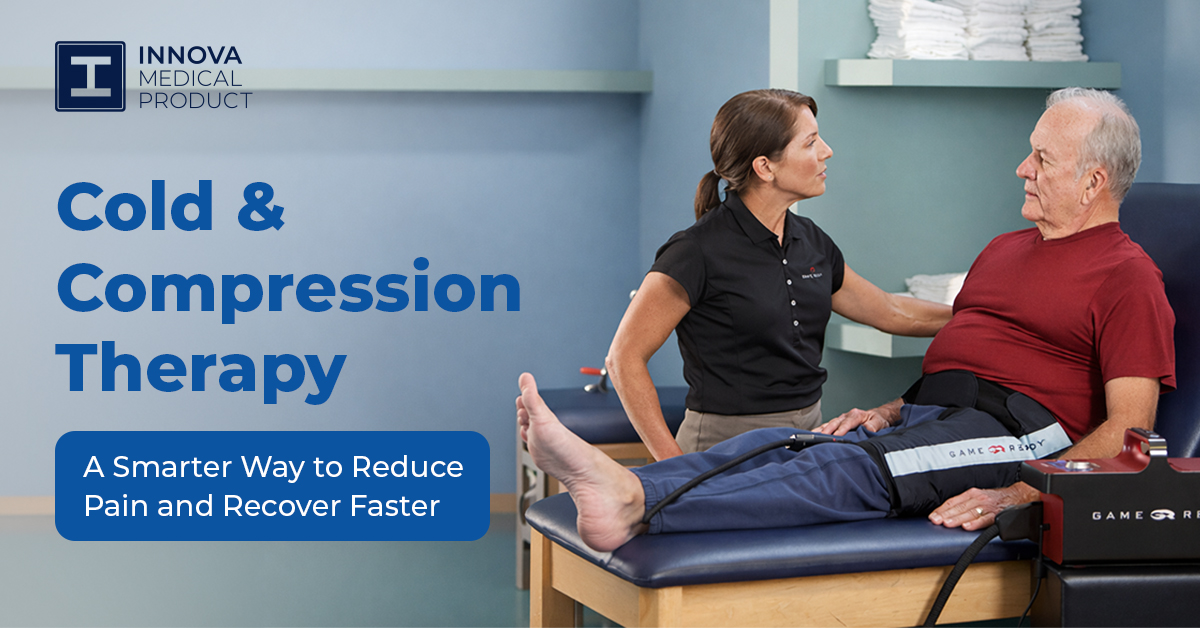
Injuries, surgeries, and intense physical activity can all lead to swelling, pain, and limited mobility. Whether you’re an athlete, recovering from surgery, or dealing with everyday joint pain, finding effective recovery solutions is essential.
One approach widely recommended by healthcare professionals is cold and compression therapy.
By combining targeted cold therapy with controlled compression, this method helps manage inflammation, relieve pain, and support faster healing. In this blog, we’ll explore how cold compression therapy works, its key benefits, and why it has become a trusted recovery tool for patients and healthcare providers alike.
Cold and compression therapy is a recovery technique that combines cold temperature treatment with intermittent pressure around an injured or post-surgical area.
Cold therapy works by constricting blood vessels, reducing swelling and numbing pain.
Compression enhances this effect by gently applying pressure that helps move excess fluid away from the injured area and improves circulation.
Many modern systems circulate chilled water through a wrap while periodically inflating and deflating to create a pumping effect. This action helps flush swelling, improve oxygen delivery to tissues, and encourage faster recovery.
Because of these combined benefits, cold compression therapy is commonly used in:
• Post-surgical recovery
• Sports injuries
• Muscle strains and sprains
• Orthopedic rehabilitation
• Chronic joint pain management
The effectiveness of this therapy lies in how it supports the body’s natural healing processes.
Inflammation is a normal response to injury, but excessive swelling can slow recovery.
Cold therapy constricts blood vessels while compression limits fluid buildup, helping control inflammation more effectively than ice alone.
Cold temperatures numb nerve endings and slow pain signals traveling to the brain.
Compression also stabilizes the injured area, reducing painful micro-movements.
Intermittent compression improves circulation and helps remove metabolic waste while delivering oxygen and nutrients needed for tissue repair.
By controlling swelling and discomfort, patients often regain flexibility and movement earlier during rehabilitation.
Cold compression therapy is widely used across many types of recovery situations.
Orthopedic procedures like ACL reconstruction, knee replacements, and shoulder surgeries frequently involve swelling and discomfort. Managing inflammation early can help patients begin physical therapy sooner and support smoother recovery.
Athletes often use cold compression therapy to recover from intense workouts, reduce muscle soreness, and get back to training faster.
Sprains, strains, ligament injuries, and tendon irritation respond well to controlled cold therapy combined with compression.
People dealing with joint pain, arthritis flare-ups, or repetitive stress injuries can use this therapy for short-term relief and improved comfort.
Managing swelling early helps prevent complications and speeds up rehabilitation.
Cold compression offers natural pain relief, potentially reducing reliance on medication.
Unlike traditional ice packs that warm quickly, modern therapy systems maintain consistent cooling and pressure levels.
Reducing swelling and stiffness can make rehabilitation exercises more effective.
Portable therapy units allow patients to continue recovery outside the hospital or clinic.
Modern medical recovery systems go beyond basic ice packs. Advanced devices combine precise temperature control with active intermittent compression.
For example, some systems simulate natural muscle contractions that help push swelling out of injured areas and stimulate tissue healing. This process can increase blood flow, improve oxygen delivery, and support lymphatic drainage.
These technologies are often recommended for athletes, post-operative patients, and anyone needing effective pain management during recovery.
To get the best results from cold compression therapy, it’s important to use it safely and correctly.
Follow these simple guidelines:
• Always place a protective barrier between the cold pad and skin
• Follow your healthcare provider’s recommended session length
• Avoid using therapy directly on open wounds
• Monitor skin condition during treatment
• Stop if you experience unusual numbness or discomfort
When used properly, cold compression therapy can become an essential part of a safe and effective recovery plan.
Cold compression therapy has become a standard recovery tool in sports medicine and orthopedics because it addresses multiple recovery needs simultaneously.
Healthcare professionals recommend it because it can:
• Control inflammation quickly
• Reduce pain without medication
• Support circulation and tissue repair
• Improve patient comfort during rehabilitation
The combination of cold and compression delivers results that traditional icing methods alone often cannot achieve.
Recovering from injury or surgery can be challenging, but the right therapy can make a significant difference.
Cold and compression therapy offers a powerful combination that reduces swelling, relieves pain, and accelerates healing. From athletes to post-operative patients, many people rely on this method to recover faster and more comfortably.
As recovery technology continues to improve, modern cold compression systems are making treatment more effective, convenient, and accessible than ever before.
If you or a loved one is preparing for surgery, recovering from an injury, or looking for better pain management solutions, the right support can make all the difference.
Explore advanced cold and compression therapy solutions from Innova Medical Products today.
Get expert guidance, reliable equipment, and patient-focused care designed to help you recover with confidence.
Visit their patient services page or contact their team to learn more about available therapy options and support for your recovery journey.